

Leisure
Language plays a crucial role during leisure time. For example, while making plans. Or when engaging in activities like sports, music lessons or swimming class. A child with DLD may require more time to unwind than other children. How can you assist your child with DLD?
How does your child relax?
Some children enjoy a busy amusement park or a pool full of children. For others, such a busy environment might be draining. Also, birthday parties might be more stressful for one child than the other. These differences are not solely due to language proficiency. But when language is challenging, such moments can become extra daunting or tiring.
Therefore, it is important to know when your child needs rest. And how your child unwinds best. When your child is young, you can discover this by observing them closely. You probably notice best when things become too overwhelming. Or when your child calms down (again). If your child is older, you can discuss it together. What makes your child feel uncomfortable or good? What can help maintain or achieve this positive feeling?
TIP
Prepare an outing with your child and talk about what they need.
Play and social interactions?
Young children like to pretend play, or take part in ‘roleplay’. With that, they use a lot of language: ‘And then you went to sleep. And then I woke up’. Children with DLD often use less language in their play. They can also struggle with imaginative play. You can see this in their own play, but also when they are playing with other children.
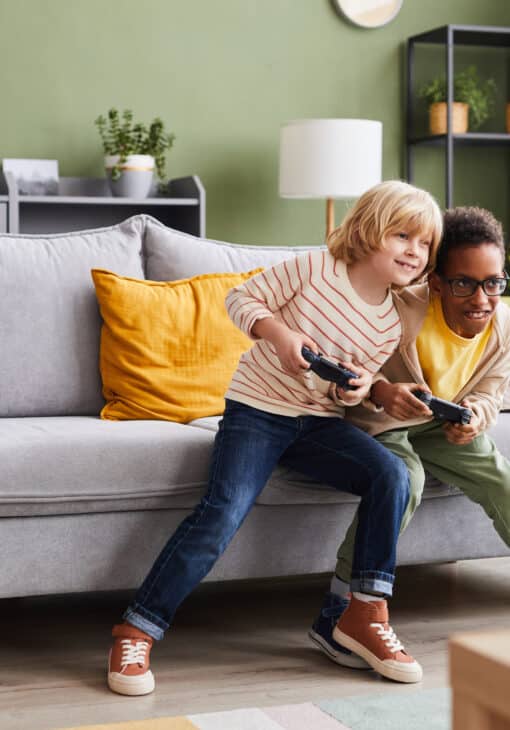
When children grow up, language becomes even more important in their interaction with others. Language is necessary to establish connections or to make arrangements. Or to clarify the rules of a game. Games and videogames can also require a lot of language. It can be difficult for children and adolescents with DLD to participate.
TIP
Would your child like to meet other children with DLD? SamenTrOtS organises activities for children with DLD between the ages of 7 and 14. Parents (of children with DLD) can meet each other in the same building.
TIP
Does your adolescent with DLD want more contact with peers?
- Young people (12-30 years old) can meet on the website Join Us. Online or in person.
- SpraakSaam organises activities for youth with DLD (12-30 y/o)
Sports and other hobbies
Sports and other hobbies often require language as well. For instance, a soccer coach or music teacher frequently explains activities. Or a dance instructor tells everyone where to stand. Cooperation and communication is often crucial. If language is a struggle, participation often becomes more difficult.
Share our tips for teachers with the soccer coach, music teacher or dance instructor. For example, making eye-contact, speaking slowly, repeating the instruction and using visual stimuli to enhance an explanation. There is also information available about the social and emotional problems a child with DLD might face. It is helpful for teachers to know that your child may require more or different instructions. Or more assistance in socialising with peers.
Swimming lessons
Swimming lessons can be more daunting or tiring for children with DLD. You can consider swimming classes with smaller groups or longer lessons that include play. And you can discuss with the swimming instructor how to best accommodate your child with DLD. It might be helpful to have a swimming buddy who can demonstrate actions. Or maybe swimming cue-cards can help. Those are instruction cards that depict what to do.
TIP
Is your child very anxious or insecure? Ask if you can stay until your child feels safe and comfortable. This article provides more tips for swimming lessons for your child with DLD (in Dutch).
Back to overview